
Map what you need to study
Use the JEE syllabus before choosing chapters or buying resources. It is the boundary of the preparation plan.
JeeRankUp — JEE Main and JEE Advanced
Start with the official syllabus, learn prerequisites in order, practise at the correct level, classify lost marks, and retest.
JEE Main & Advanced
The idea
JEE preparation becomes easier to manage when every activity has a clear job.
The syllabus tells you what is examinable. A chapter path tells you what to learn first. Practice shows whether you can recognise and execute a method. A mock test shows whether that method survives selection pressure and time limits. Diagnosis tells you what to repair before you repeat the same mistake.
Rank Sarthi brings those steps into one JEE learning path for Main and Advanced. It does not replace the official NTA or JEE Advanced websites. Use official sites for rules, dates and notices. Use this hub to turn that information into study decisions.
Start here
Use the JEE syllabus before choosing chapters or buying resources. It is the boundary of the preparation plan.
Use the JEE Main guide for the official paper structure, paper choice, marking rules and a practical preparation sequence. Use the JEE Advanced guide for eligibility, the two-paper structure and the move from routine fluency to multi-concept reasoning.
Each subject hub lists its chapter pages with prerequisites and scope notes, so a weak downstream chapter can be traced back to the foundation that actually needs work.
Begin with a structured chapter page. Each page connects prerequisites, concepts, formulas, method choice, traps and the next chapter.
Main and Advanced
The overlap in Physics, Chemistry and Mathematics does not mean the two exams reward identical behavior. A student can learn common concepts once, then practise them under two different decision environments.
Best relationship: build dependable chapter fluency and paper control.
Best relationship: add deeper connections and variable-format decision practice on top of that base.
Structural statements follow the official NTA JEE Main 2026 and JEE Advanced 2026 documents. No 2027 date, pattern, eligibility, cutoff or result claim is published here.
The diagnosis
The concept, relationship or method was not understood.
The knowledge existed, but the needed fact, formula or method could not be retrieved.
The selected approach was suitable, but algebra, calculation, sign, unit, reading or process execution failed.
The wrong question, approach, order, depth or time investment was chosen.
The evidence is mixed or insufficient for a confident label.
Two students can lose the same four marks for entirely different reasons. One may not understand electric potential — a Knowledge Gap needing concept repair. Another may forget the relation between field and potential during a timed set — a Recall Gap needing retrieval practice. A third may choose a long coordinate method where symmetry gives a short solution — a Decision / Selection Error needing method-comparison practice. The score tells you how much was lost. Diagnosis tells you what to do next.
| Your present state | Best next action | Why |
|---|---|---|
| You are starting JEE preparation | Open the syllabus and mark known, learning and not-started units | It prevents random chapter selection. |
| You understand a chapter but miss questions | Review formulas by condition, then solve a mixed set | Recognition under mixed conditions is different from rereading notes. |
| You make avoidable mistakes | Classify each loss with PI v1.1 | Different causes require different repairs. |
| You have completed most chapters | Move to part-syllabus and full-paper practice | Isolated chapter success does not prove paper-level selection. |
| You are preparing for Advanced | Keep Main fluency, then add multi-concept and instruction-sensitive practice | Advanced is not just a longer Main paper. |
Optional contributing factors can record pressure, fatigue, notation, language or unfamiliar presentation. Tag Confidence should show how certain the classification is. A label is useful only when it changes the next action.
The pathway
Each step has one job, and the loop only closes when a repair is retested on a fresh set.
Confirm the official syllabus boundary and prerequisites.
Build the concept architecture, not a disconnected formula list.
Move from direct application to mixed method selection.
Use chapter, part-syllabus or full-paper conditions that match the current goal.
Apply one primary PI label and record the evidence.
Choose a response that matches the cause.
Use a fresh set to check whether the repair transferred.
Beneath the score
Rank Sarthi is designed to look below the final number. Each layer narrows the question from "how did I do?" to "what exactly do I do next?"
Layers reflect the diagnostic model. Availability of each layer depends on the exam and assessment type you attempt.
Everything begins with an attempted paper.
The number every other platform stops at.
Where the loss is concentrated.
Which parts of the syllabus repeat as problems.
The specific idea behind the mistake.
The formats that consistently go wrong.
Concept gap, application slip or misread.
Where minutes and attempts are spent.
What matters most right now.
The specific thing to do tonight.
Explore JeeRankUp
Shri Balaji Publications
Discover JEE preparation books from Shri Balaji Publications, designed to strengthen conceptual understanding, build problem-solving skills and support focused exam preparation.
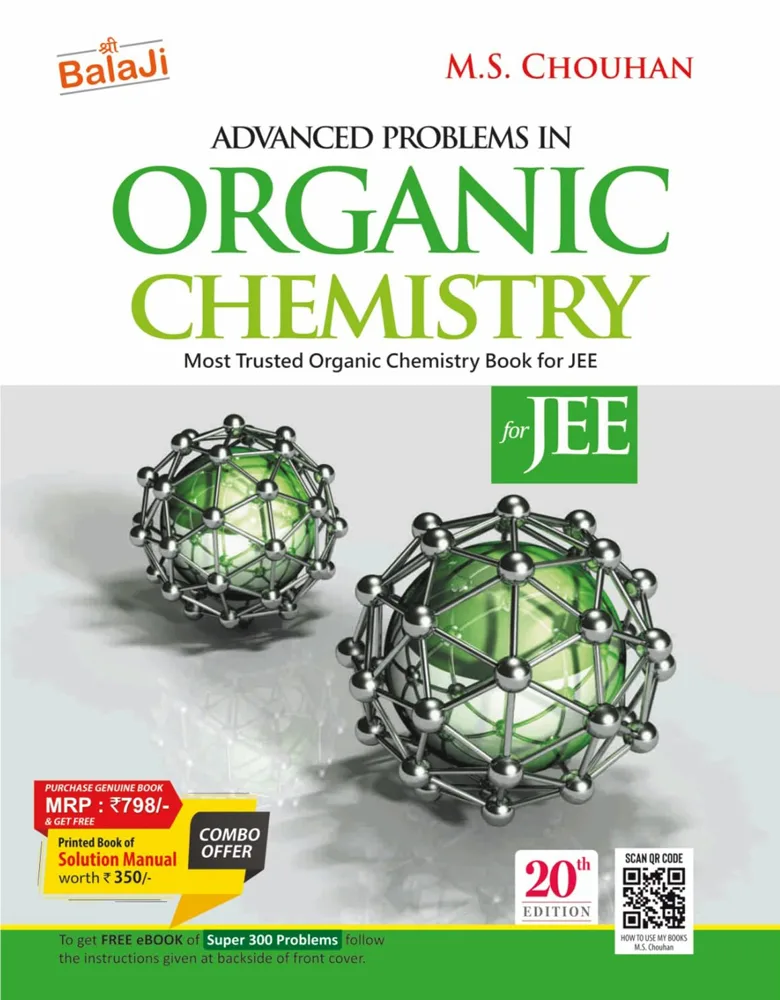
JEE Main & Advanced
M. S. Chouhan
20th edition · 2026–27
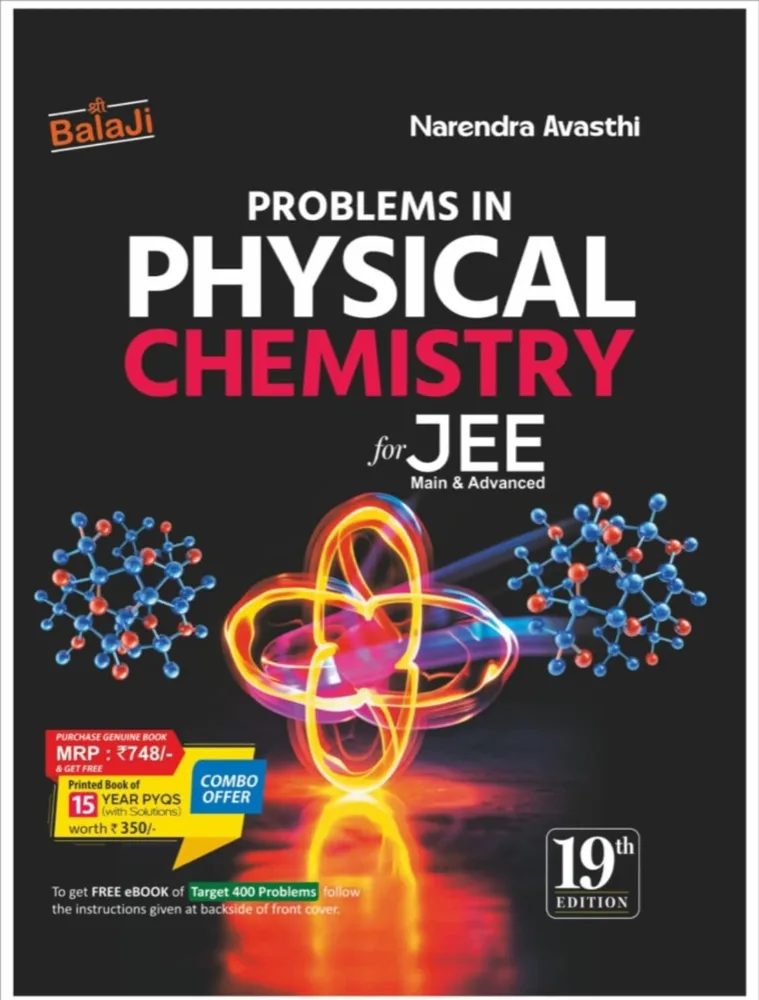
JEE Main & Advanced
Narendra Avasthi
19th edition · 2026–27
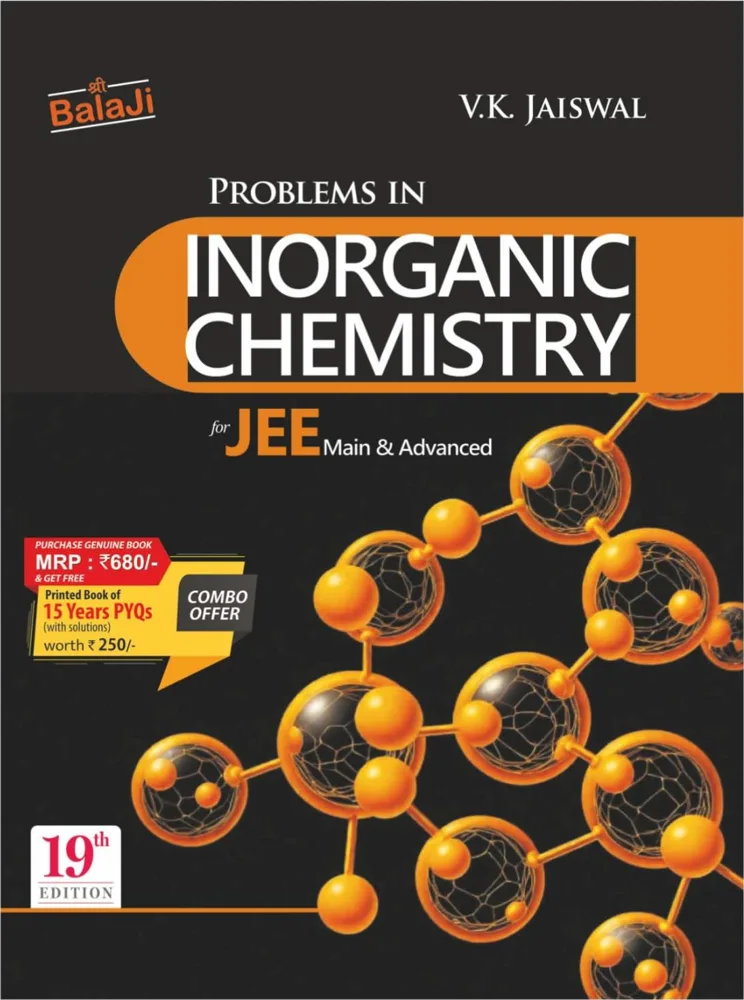
JEE Main & Advanced
V. K. Jaiswal
19th edition · 2026–27
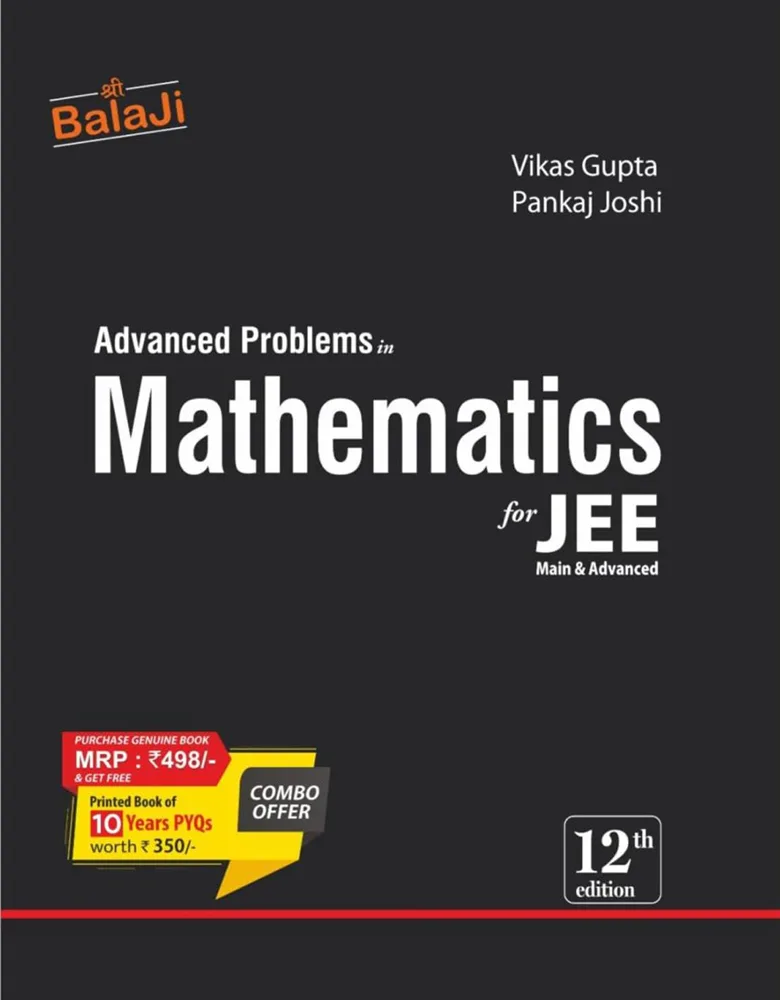
JEE Main & Advanced
Vikas Gupta and Pankaj Joshi
12th edition · 2026–27
JeeRankUp FAQ
Straight answers about how Rank Sarthi fits into serious exam preparation.
JeeRankUp
Use the structured JEE syllabus to choose the right subject and chapter path.
JEE Main & Advanced